
Cybersecurity & QR
QR sticker fraud: how it is done and how you spot it
Hijacking someone's QR code takes no hacker and no break-in. Bring your own sticker and press it on top of theirs. So this is not a story about cybersecurity, it is a story about who walks past your counter every day.
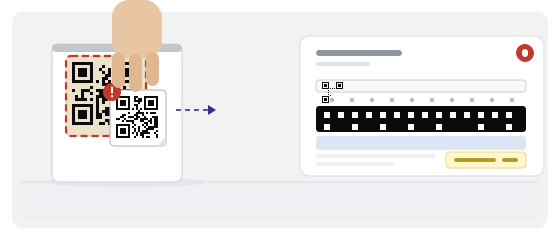
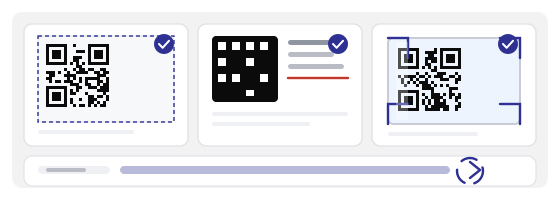
Sticker swapped? The scanner shows where it really leads.
Check a codeA sticker on top of a sticker
The whole thing takes ten seconds. A person walks up to a table, pulls a prepared square of the same size out of a pocket and presses it down. From two metres away you see “QR menu”. Nothing has changed.
The difference only shows up close: different paper, the edges of the old code peeking out by a millimetre, bubbles under the new layer, a slightly different shade of black. Sometimes the code is not covered completely — a window is cut out, or only one part of a stand is replaced.
The camera reads the top layer. It does not care what is underneath.
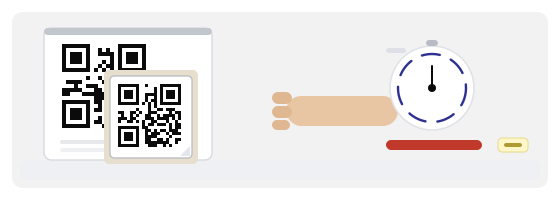
It is the owner's problem, not the IT department's
Nobody takes a broken lock to a programmer. A sticker is the same kind of thing: a bit of upkeep, like a dirty window or a dead lamp. So the question “whose job is this” is settled not by job title but by route.
The rule is simple: whoever walks past checks it. A server wipes the table, so a server sees the sticker. A cleaner washes the door, so a cleaner sees the label on the glass. You do not need to appoint a security officer. You need one extra line in the thing people already do every day.
The first symptom is not a complaint, it is silence
Nobody will call and say “your code has been swapped”. A guest scans, sees an unfamiliar page, shrugs and walks to the till. They did not form a question about you — they formed an opinion that your menu is awkward.
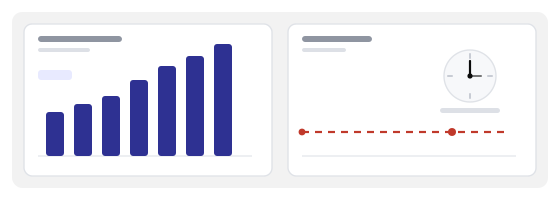
What you see from your side: scans appear to happen but no orders arrive through the code. Or reviews stop coming in while the tables are full. Or the stats suddenly show hours and countries you have never had.
If you never look at the numbers, you learn about the swap a month later — from an acquaintance who happened to ask where your code leads.
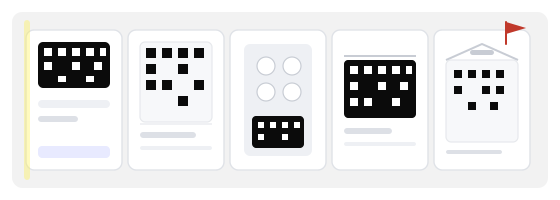
Where swaps happen most often
- Parking and payment terminals with nobody nearby.
- Menus on tables, especially outdoors.
- Reception desks, lifts, hotel lobbies.
- Outdoor ads, banners, exhibition stands.
- Donation boxes and charity collections.
They all share one thing: the code sits where many people look at it but nobody looks after it.
Three things that make a swap slow
You cannot prevent a swap. You can make it take longer, leave traces, and stand out.
One more cheap move: put the code where people actually look, not on the far wall. A swap by the till gets noticed faster than one in the corridor.
What to do when you find a swap
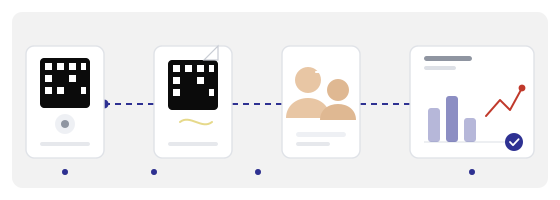
- Photograph everything as it is — close up and in place.
- Peel the sticker off carefully and do not throw it away.
- Tell whoever is on shift and show the photo, so they look for others.
- Open the stats: when did it start, how many times was it scanned.
- Replace the carrier, not just the label — so that next time it is obvious.
And check the neighbouring spots. If a code was swapped on one table, it almost certainly was on the others too.
What to tell your customers
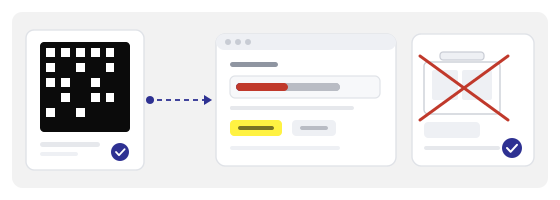
Not half a page of security policy. One line that gives a person something to compare against: “Our code leads to qrcode.global. If something else opened, do not pay, tell us.”
That sentence works better than any warning, because it is concrete. The person does not need to know what phishing looks like. All they have to do is compare the address on the screen with the one printed on the table.
And give them a tool rather than a request: our QR scanner shows what is inside a code before offering to open it.
Dynamic codes: what they really give you
A dynamic code does not prevent a swap. If someone stuck their square on top of yours, your code saves nothing — the person is not scanning it.
What it gives you is control of your own side. When you discover the problem, you do not reprint five hundred table cards: you change the address in the generator and immediately see how many visits arrived and when it started.
The second benefit is that short readable address. When the code leads somewhere you can write down, you can print it next to the square, and the forgery starts to look foreign. Do the layout and print files in QR Studio.
A walk once a week
This is not a security audit. It is a five-minute walk around your own premises.
- Entrance and sign — is there a second sticker.
- Counter and till — the main code, up close.
- Tables — one by one, not “somewhere over there”.
- Window, parking, lift — whatever is visible from outside.
- Compare this week's scan count with last week's.
Write down when you last checked. Not for a report — so that in a month it does not turn out to be “sometime in March”.
Mistakes people make most often
Replacing every code and calling the matter closed. Checking only what you can see from behind the till. Trusting a phone camera that never shows the address. Never opening the analytics at all. Blaming the staff after the fact, when nobody ever told them what to look for.
All five have the same root: the question gets treated as technical when it is housekeeping. The sticker is seen by the person with a cloth, not the person with a laptop.
Sometimes it is not even malicious
Not every stray sticker is a crime. A neighbouring business brings its own flyer round, sticks it beside yours and catches the edge of your code. A former supplier leaves their code on a stand you have since redesigned.
The result for the customer is identical: they scan the wrong page. So the check should not ask “who is to blame”, only “what does the code show right now”. And one small habit helps: not every sticker on your carrier is yours. Sometimes it is worth counting them and knowing how many there should be.